
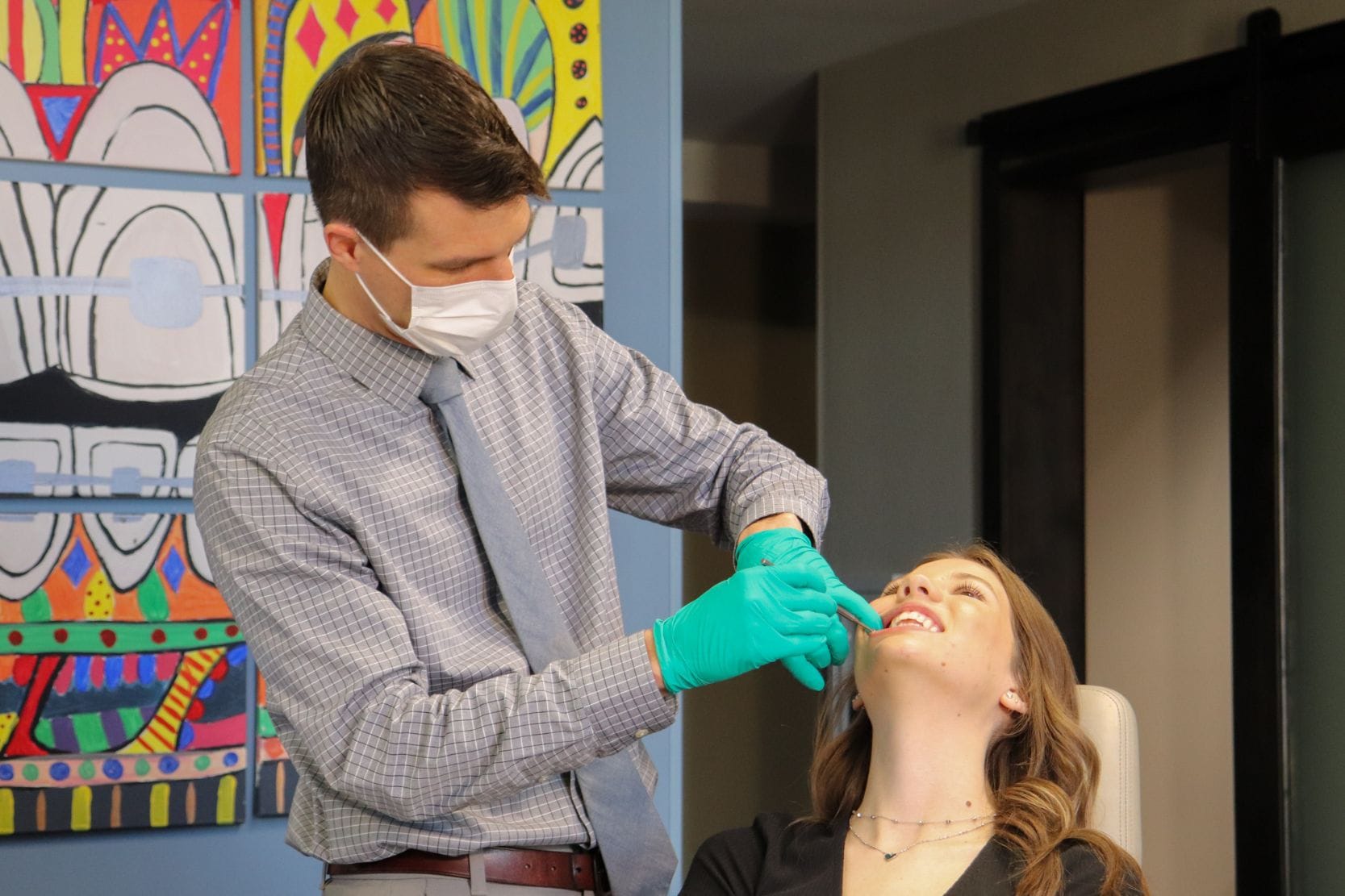
Orthodontic care isn’t just about straight teeth — it’s about lifelong function, comfort, and confidence. Whether you’re a parent wondering about your child’s smile or an adult considering treatment for yourself, knowing when to see an orthodontist is one of the most important steps you can take toward optimal oral health.
In Tulsa and across the country, orthodontists focus not only on aesthetics but also on bite function, jaw alignment, and long‑term dental stability. In this guide, Tulsa experts break down the key milestones, signs, and situations that should prompt an orthodontic evaluation — and why timing matters as much as treatment choice.
What Is an Orthodontist and Why Does Timing Matter?
An orthodontist is a dental specialist trained to diagnose, prevent, and treat dental and facial irregularities. Unlike general dentists, orthodontists receive additional years of education focused entirely on tooth movement, jaw growth, and bite correction.
Seeing an orthodontist at the right time can:
- Prevent more severe problems in the future
- Reduce the need for extraction or surgery later
- Improve chewing, speech, and jaw comfort
- Enhance oral hygiene by aligning teeth for easier cleaning
- Boost confidence with a healthy, functional smile
Orthodontic issues don’t always go away on their own — and in many cases, early detection can mean simpler, faster treatment.
The Recommended First Orthodontic Check‑Up
The American Association of Orthodontists (AAO) recommends that children have their first orthodontic evaluation by age 7. By this age, enough permanent teeth have typically come in to give the orthodontist a clear sense of how the smile and bite are developing.
But this doesn’t mean every child will need treatment at 7 — it simply means it’s the right time for an expert to assess growth patterns and identify potential issues early.
Early evaluations help orthodontists:
- Detect improper jaw growth
- Identify significant crowding or spacing issues
- Spot bite problems like crossbites or deep bites
- Monitor habits that could affect growth (thumb‑sucking, tongue thrusting)
Even if treatment isn’t needed immediately, these early visits allow the orthodontist to plan the most effective timing for care.
Signs Your Child May Need to See an Orthodontist
Parents don’t need to wait for a referral from a dentist — recognizing the signs below can help you schedule an orthodontic consultation whenever needed:
Growth and Bite Concerns
- Front teeth that stick out too far
- Underbites or crossbites
- Open bite (top and bottom teeth don’t touch)
- Shifted jaw or asymmetric facial growth
Tooth and Spacing Issues
- Early or late loss of baby teeth
- Teeth that are overcrowded or widely spaced
- Difficulty fitting a toothbrush between crowded teeth
Functional Problems
- Trouble biting or chewing
- Speech difficulties related to alignment
- Jaw pain, clicking, or discomfort
Habits That Affect Development
- Persistent thumb‑sucking beyond age 4
- Constant mouth‑breathing
- Prolonged pacifier use
If you observe any of the above, it’s a good idea to bring your child in for an evaluation. Even if treatment isn’t immediate, identifying potential issues early can guide monitoring and planning.
Why Timing Differs Between Children, Teens, and Adults
Children (Ages 7–10)
At this stage, a child’s jaw is still developing. Early evaluation allows the orthodontist to determine if a two‑phase treatment (interceptive care followed by full treatment later) is beneficial. Correcting certain problems early can make later treatment simpler and shorter.
Examples of early intervention cases include:
- Severe crowding as adult teeth begin to erupt
- Crossbites that could affect jaw growth
- Significant spacing issues
- Habit‑related dental changes
However, not all kids need immediate braces or aligners at this age. Often, kids are simply monitored until the most effective treatment window.
Teens (Ages 11–17)
Teenage years are the most common time for orthodontic treatment. By this time, most permanent teeth have erupted, and growth patterns are clearer, allowing comprehensive alignment plans to be implemented.
Common reasons teens see orthodontists include:
- Esthetic concerns (crooked or gapped teeth)
- Functional issues (bite correction)
- Peer and school influences
- Athletically or socially active teens seeking discreet options like clear aligners
Invisalign Teen and traditional braces are both popular choices at this age, with many teens completing treatment within 12–24 months.
Adults (18+)
Orthodontic treatment is not just for kids and teens. In fact, millions of adults in Tulsa and nationwide are choosing orthodontics to improve their smiles and oral health.
Adults may seek treatment for:
- Shifting teeth after childhood treatment
- Bite issues causing wear or jaw discomfort
- Aesthetic preferences (especially with discreet options like clear aligners)
- Preparation for restorative care (crowns, implants)
There’s no age limit for orthodontic care — as long as your teeth and gums are healthy, orthodontic treatment can be effective.
Common Orthodontic Issues That Benefit from Early Timing
Crowded Teeth
Crowding makes cleaning difficult, increasing the risk of decay and gum disease. Early assessment helps determine if space‑making is needed.
Spacing or Gap Teeth
Gaps can affect bite and speech. Orthodontic care can align and balance spacing early on.
Bite Irregularities
Overbite, underbite, crossbite, and open bite can impact function and jaw comfort. Early detection allows for timely correction.
Protruding Teeth
Front teeth that jut out are more prone to injury and can affect self‑esteem. Treatment timing matters to prevent trauma.
What to Expect at Your First Orthodontic Visit in Tulsa
Your initial appointment typically includes:
- A full dental and medical history
- Oral examination of teeth, bite, and jaw
- Digital imaging (X‑rays or 3D scans)
- Discussion of growth patterns and treatment options
- A personalized timeline and cost estimate
This visit is educational — there’s no obligation to start treatment immediately. It’s all about gathering information and empowering you to make the best decision for your child or yourself.
How Orthodontists Tailor Timing to Individual Needs
Every smile is unique, and timing is always personalized. An expert orthodontist will consider:
- Dental and jaw growth stage
- Severity of alignment or bite concerns
- Lifestyle and self‑esteem goals
- Oral health and hygiene
- Patient age and cooperation level
Optimal timing for treatment is based on a combination of these factors — not on a single age or rule.
Waiting Too Long vs. Starting Too Early
Timing can be tricky. Starting treatment too late can allow problems to become more complicated and harder to correct. On the other hand, starting too early without need can extend total treatment time unnecessarily.
This is why periodic monitoring — especially in childhood — is so valuable. It ensures treatment begins when it will be most effective.
Orthodontic Care in Tulsa: Accessibility and Convenience
Tulsa residents have access to modern orthodontic care with advanced technology such as digital scanning, clear aligner systems, and efficient treatment tracking. Quality orthodontic evaluation and treatment are available for all ages — and early consultation makes planning easier and more predictable.
Take the Guesswork Out of Orthodontic Timing
Whether you’re a parent watching your child’s smile develop or an adult considering orthodontic care, timing is a key part of your success. Knowing when to see an orthodontist can lead to:
- Shorter, more efficient treatment
- Better overall oral health
- Improved function and comfort
- A confident, long‑lasting smile
Ready for Your Orthodontic Evaluation in Tulsa?
At Braces by Dr. C, we believe everyone deserves a healthy, balanced smile — whether you're 7 or 70. Our team provides expert evaluations, individual treatment plans, and compassionate care tailored to your timing and goals.
Schedule your free orthodontic consultation today — let’s talk about what’s best for your smile and your timing.