
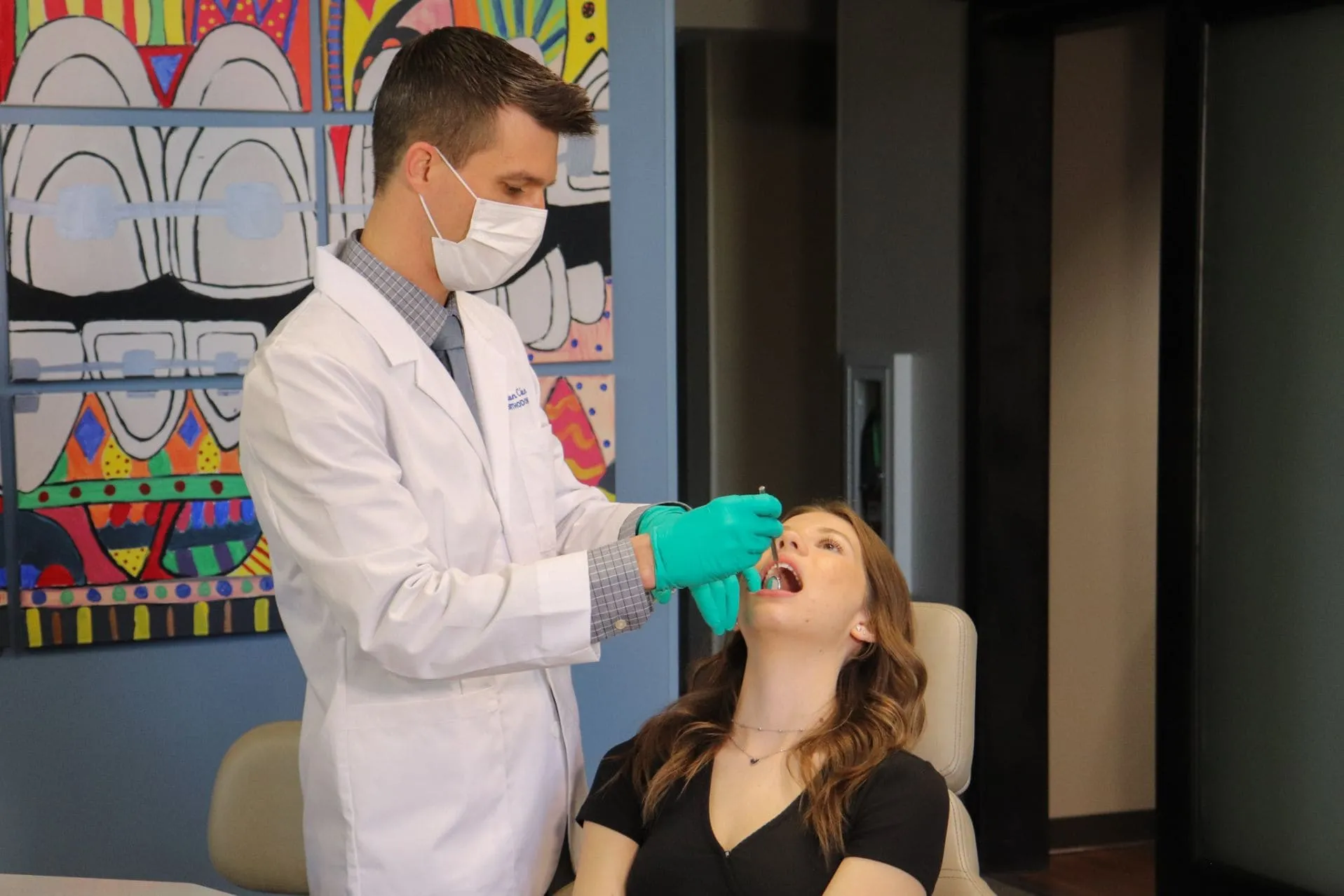
When it comes to maintaining your oral health, you may wonder who you really need to see — your regular dentist, or a specialist like an orthodontist? While both professionals care for your teeth, they serve very different purposes in your long-term dental health.
If you're in Tulsa and trying to decide which provider to visit for concerns like crooked teeth, bite issues, or jaw discomfort, this guide will help clarify the difference between a dentist and an orthodontist — and when to see each.
Dentists vs. Orthodontists: The Basics
Let’s start with the foundation: all orthodontists are dentists, but not all dentists are orthodontists.
General Dentist — Your Oral Health Provider
A general dentist is your go-to professional for overall dental care. They help you maintain healthy teeth and gums through regular checkups, cleanings, and routine treatments like fillings and crowns.
Orthodontist — Your Alignment Specialist
An orthodontist is a dental specialist who focuses exclusively on diagnosing, preventing, and correcting misaligned teeth and jaws. They offer treatments like braces and Invisalign to straighten teeth, improve bite function, and support long-term oral health.
Education and Training: Who Does What?
Both dentists and orthodontists attend dental school — but orthodontists go even further.
Dentists
- Complete a 4-year undergraduate degree
- Attend 4 years of dental school
- Earn a DMD (Doctor of Dental Medicine) or DDS (Doctor of Dental Surgery)
Orthodontists
- Complete all dental school requirements
- Complete an additional 2–3 years of specialized orthodontic training in an accredited residency program
- Focus exclusively on tooth and jaw alignment, bite correction, and facial balance
This extra training allows orthodontists to handle more complex alignment and jaw issues than a general dentist is equipped to manage.
What Services Do Dentists Offer?
Dentists are essential for keeping your mouth healthy through routine care and general treatment. Services typically include:
- Dental cleanings and exams
- X-rays and oral cancer screenings
- Cavity detection and fillings
- Crowns, bridges, and veneers
- Root canals and extractions
- Teeth whitening
- Gum disease treatment
- Preventive education for oral hygiene
Think of your dentist as your primary care provider for teeth — someone you should see every 6 months for cleanings and checkups.
What Services Do Orthodontists Offer?
Orthodontists focus on improving how your teeth and jaws align — which can benefit both function and appearance. Services often include:
- Braces for kids, teens, and adults
- Invisalign clear aligners
- Palatal expanders
- Retainers and space maintainers
- Bite correction (overbite, underbite, crossbite)
- Jaw alignment and growth guidance for children
- TMJ disorder treatment in some cases
Orthodontic care is typically needed when teeth are crooked, crowded, or poorly aligned — or when bite issues affect chewing, speech, or jaw comfort.
How to Know Which Provider You Need
It’s common for people to feel unsure about whether to see a dentist or an orthodontist, especially when symptoms overlap. Here’s a breakdown of when each provider is the right choice.
See a Dentist For:
- Routine cleanings and oral exams
- Cavity prevention and treatment
- Gum sensitivity or bleeding
- Pain in a specific tooth
- Restorative treatments (crowns, fillings, bridges)
- General dental questions
See an Orthodontist For:
- Crooked or crowded teeth
- Jaw pain, popping, or alignment issues
- Overbite, underbite, or open bite
- Gaps between teeth
- Teeth that don’t align when you bite down
- Interest in Invisalign or braces
- Early guidance for your child’s developing bite
If your dentist spots an issue outside their scope — like a bite problem or significant crowding — they may refer you to an orthodontist. However, in most cases, you don’t need a referral to schedule an orthodontic consultation in Tulsa.
Why Alignment Matters for Oral Health
Many people think orthodontics is just cosmetic — but the benefits go far beyond appearance. Proper alignment can:
- Improve your bite and make chewing more comfortable
- Reduce jaw strain and TMJ-related pain
- Make brushing and flossing easier (less risk of decay and gum disease)
- Prevent uneven wear and tear on teeth
- Reduce the risk of dental injury
- Boost long-term oral and overall health
Orthodontists help patients achieve a healthy, balanced bite that supports comfort, function, and confidence — now and in the future.
Do Dentists and Orthodontists Work Together?
Yes — and ideally, they do. Your general dentist focuses on oral health maintenance, while your orthodontist handles alignment and bite correction. During treatment, they may coordinate to:
- Share X-rays and diagnostic info
- Monitor gum health and oral hygiene
- Address concerns like decalcification or sensitivity
- Ensure a smooth transition before, during, and after orthodontic care
This team approach ensures you get the most comprehensive dental care possible.
Can I Skip the Dentist If I’m Seeing an Orthodontist?
No — and here’s why.
Even while you’re in braces or Invisalign, you still need to visit your general dentist every six months (or more, if advised). Your orthodontist focuses on straightening your teeth — but your dentist helps keep them clean, healthy, and cavity-free.
Skipping regular dental checkups during orthodontic treatment increases the risk of:
- Tooth decay
- Gum inflammation or disease
- Plaque buildup around brackets or aligners
- Delayed progress due to oral health issues
Both providers are essential to your oral health — one doesn’t replace the other.
Summary: The Key Differences Between Dentists and Orthodontists
Here’s a quick overview of how the two roles compare:
| Dentist | Orthodontist |
|---|---|
| General oral health care | Alignment and bite correction |
| Cleanings, fillings, crowns | Braces, Invisalign, retainers |
| No additional training beyond dental school | 2–3 years of extra specialty training |
| Preventive and restorative care | Focused on movement and positioning of teeth and jaws |
Want to Learn More About Orthodontic Options in Tulsa?
Now that you know the difference between a dentist and an orthodontist, you can take the next step with confidence.
At Braces by Dr. C, we specialize in modern orthodontic solutions for patients of all ages. Whether you’re curious about Invisalign, braces, or early treatment for your child, our experienced team will guide you every step of the way — no referral required.
Book a free consultation today and see how we can help you achieve a healthier, more confident smile in Tulsa!